que paso
AI Insider reports that NEC’s corporate venture fund invested an undisclosed amount in Dexmate, a U.S.-based robotics startup developing Vega and a platform for building and deploying physical AI systems. The report says NEC plans to explore applications with Dexmate across multiple industries.
AI Insider reports that NEC made the investment through its NEC Orchestrating Future Fund, or NOFF. The amount was not disclosed, and the report does not provide a valuation, ownership percentage, financing-round size or other transaction terms. Dexmate was founded in 2024 by AI robotics researchers and is developing what the report describes as an integrated system for AI-powered robots. The central development is therefore both a financing event and a strategic relationship between NEC and a relatively young physical-AI company.
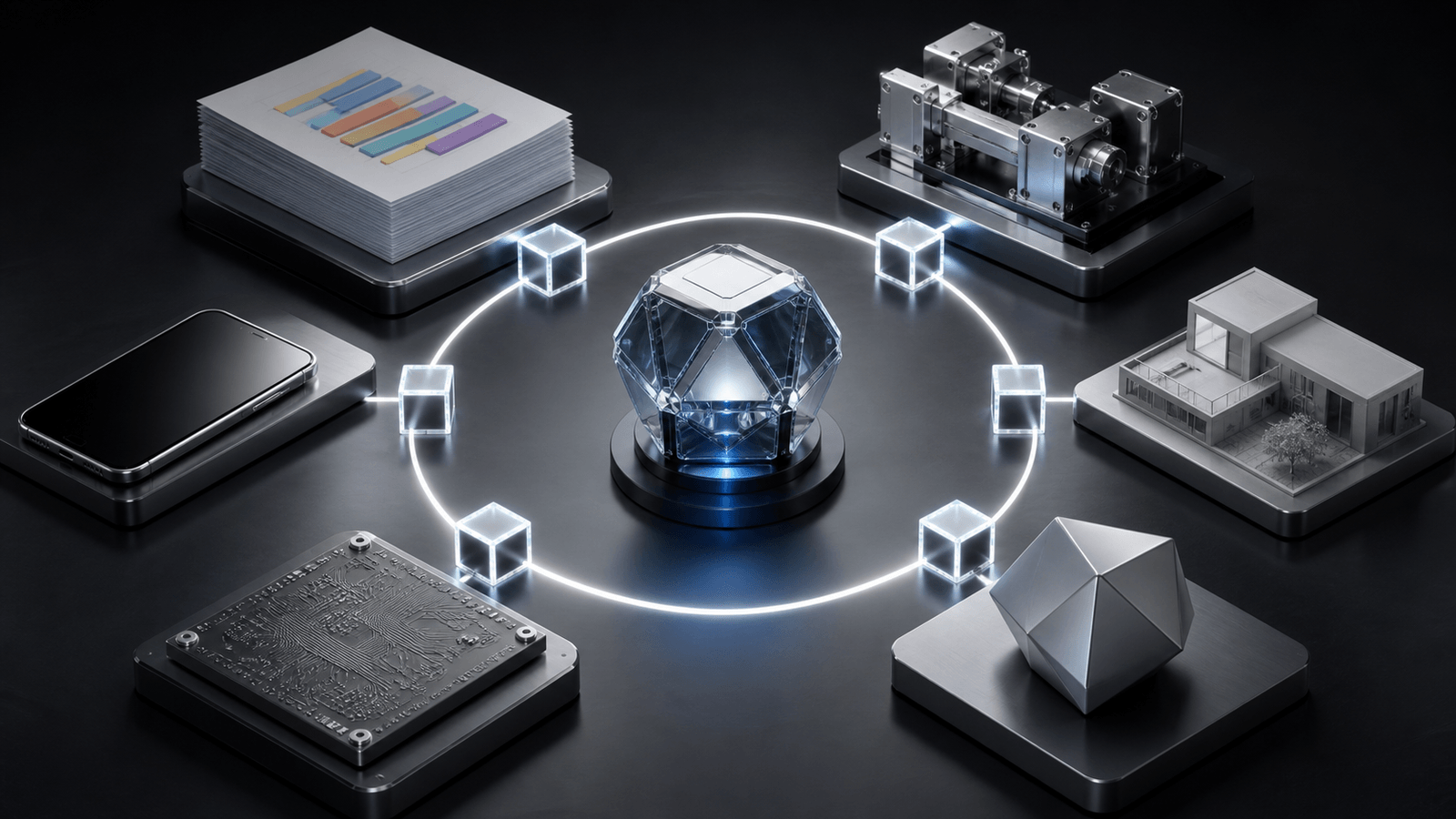
The report says NEC views physical AI as requiring more than an AI model alone. It identifies sensors, control systems, training data, simulation environments and on-site tuning as parts of the development and deployment process. AI Insider says Dexmate is attempting to bring those components together so users can design, configure and operate robots for particular tasks and real-world environments. That description comes from the companies’ announcement as reported by AI Insider; the source does not independently evaluate whether the platform achieves that goal or how it compares with competing systems.
AI Insider reports that Dexmate’s Vega is a wheeled humanoid robot with onboard AI processing. According to specifications attributed to Dexmate, Vega uses an Nvidia Jetson Thor system with 128 GB of memory and approximately 2,070 AI TFLOPS of computing performance. The report says its 4.8 kilowatt-hour battery is rated for about 20 hours of runtime, or more than 16 hours when the AI computing system operates at full load. The source does not describe the workloads, test conditions, payload, terrain, thermal limits or measurement method behind those figures.
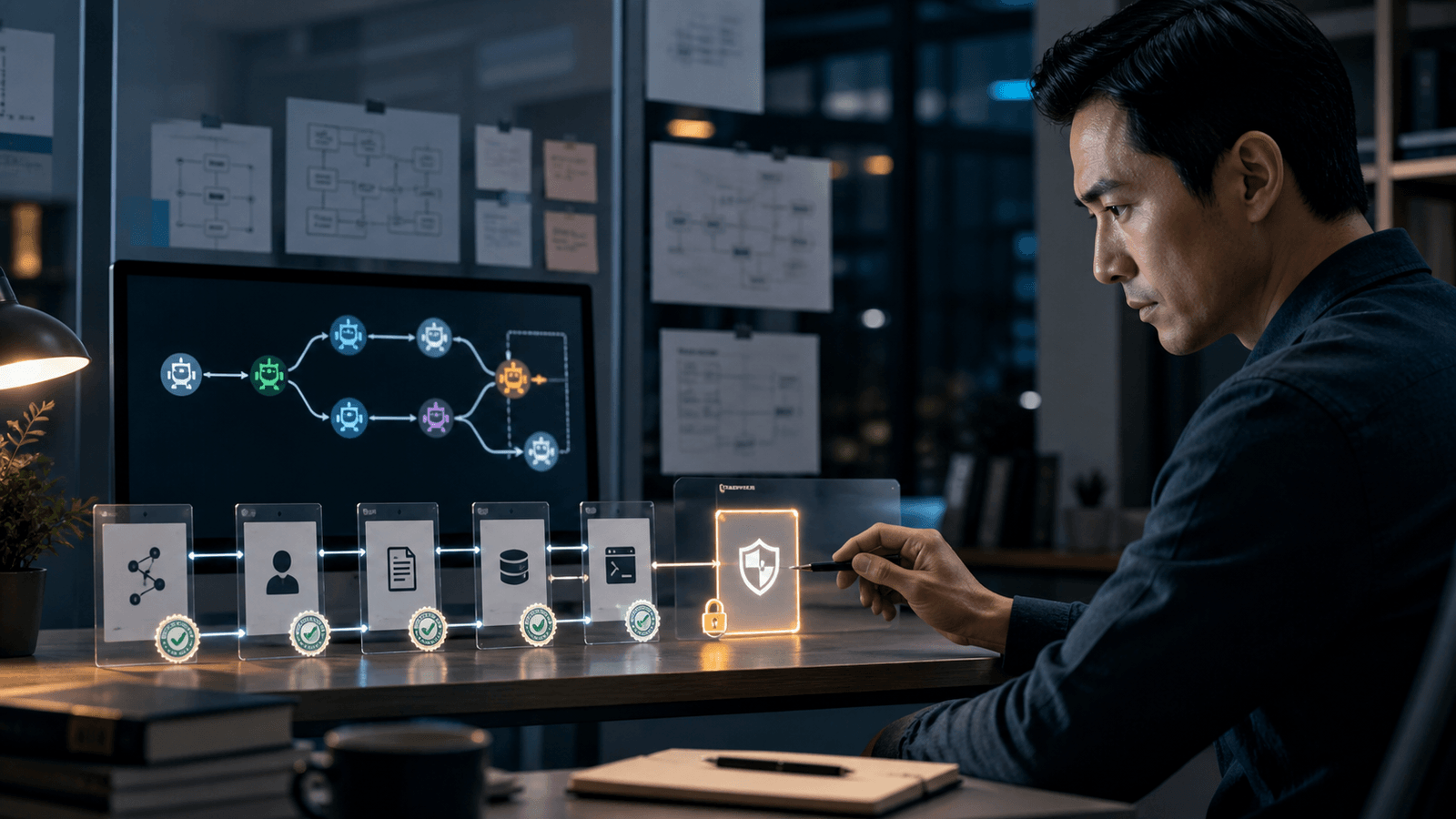
The report also attributes several physical and safety features to Dexmate. Vega is described as having more than two meters of reach across its workspace, arms that can each carry 15 pounds and a three-section folding torso capable of reaching from floor level to above two meters. Hardware-synchronized sensors are intended to produce aligned data for AI training. Reported safety mechanisms include brakes on major joints, real-time self-collision checking, a validation layer that blocks commands outside defined limits and a software-accessible emergency stop. These are reported design features, not independent certification or evidence of safe operation in a particular workplace.
Lea la fuente principal: theaiinsider.tech ↗
Por qué es importante
The investment links a major Japanese technology company with a startup focused on combining onboard AI, robotics hardware, sensors, control systems, training data, simulation and deployment tools. The reported technical specifications suggest Dexmate is targeting long-duration operation and locally processed AI, but the source provides no independent performance testing or deployment evidence.
The investment is relevant because it places corporate capital and potential industry access behind a company working on the physical implementation of AI. AI Insider reports that NEC intends to combine Dexmate’s robotics platform with NEC’s technology and industry experience. If that collaboration progresses beyond exploration, it could give Dexmate access to industrial problems, operating environments and integration expertise that a young robotics company might otherwise have difficulty obtaining. The source does not identify any customer, contract, pilot or deployment, so that possibility remains prospective.
The reported platform approach addresses a practical problem in robotics: a capable model is not enough to make a robot useful. Sensors must capture the environment, control systems must translate decisions into movement, data must support training and testing, and deployments often require tuning for specific sites and tasks. A system that genuinely connects those stages could reduce duplicated engineering work. However, AI Insider provides no measurements for development time, deployment cost, task success, failure rates or the amount of human engineering required. The platform’s claimed value should therefore be treated as an objective under development rather than an established result.
Vega’s reported onboard compute and battery figures also illustrate a key tradeoff in physical AI. Local processing can reduce dependence on a network connection and may help a robot respond with lower latency, while sustained high-performance computing consumes energy and produces heat. AI Insider reports more than 16 hours of runtime at full AI compute load, but does not say whether that figure includes movement, sensing, manipulation or other operating demands. It also does not compare local processing with cloud-assisted operation. Without those details, the specification cannot establish how long Vega would function during a real work shift or under demanding tasks.
The robot’s wheeled humanoid form and folding torso may be intended to combine mobility with access to objects at different heights. The source reports reach, payload and torso dimensions, but does not show that Vega can reliably perform useful tasks in warehouses, factories, offices, homes or other settings. Similarly, brakes, collision checking, command validation and an emergency stop are meaningful elements of a safety architecture, but they do not by themselves demonstrate robustness. Independent testing, failure analysis, supervision requirements and compliance with workplace or product-safety rules are not covered in the report.
Qué ver a continuación
The investment amount, terms, customers, pilot sites and specific industry applications remain unknown. Further evidence will be needed on Vega’s performance in real operating environments, the capabilities of Dexmate’s software platform, the reliability of its safety systems and whether NEC’s collaboration produces deployments beyond exploratory work.
The first unresolved question is the financial and strategic scope of the NEC investment. AI Insider reports only that NOFF invested an undisclosed amount. Future disclosure could clarify whether this was a small strategic investment, part of a larger financing round or the beginning of a broader commercial relationship. It will also matter whether NEC names concrete pilot customers, sites or industries, rather than describing collaboration only in general terms.
The next important evidence will concern deployments. Watch for independently verifiable demonstrations of Vega completing defined tasks, including the environment, duration, payload, degree of human supervision and frequency of failures. Useful reporting would distinguish controlled demonstrations from sustained operational use. The current source does not provide benchmark results, customer feedback, uptime data or comparisons with other humanoid and mobile-manipulation robots.
Dexmate’s software platform also warrants scrutiny. The report describes a system intended to unify robot design, configuration, training and operation, but does not name supported AI models, software interfaces, simulation tools, data-governance practices or deployment restrictions. Future disclosures could show whether the platform is broadly usable by outside developers or mainly a proprietary stack tied to Vega hardware. They could also clarify how training data are collected, labeled, synchronized and transferred between simulation and physical environments.
Safety and operating limits should remain central as the company seeks real-world applications. Further information is needed on how the command-validation layer handles unexpected inputs, how collision checking performs during sensor failures, how the emergency stop works when software or communications fail and what safeguards apply around people. Independent evaluation, incident reporting and details about human oversight would help establish whether the reported protections are adequate for commercial use. Until such evidence appears, the investment and specifications indicate development progress, not proof that physical AI has been broadly deployed.