O que aconteceu
TradingView reports that Aramco Ventures, Saudi Aramco’s investment arm, co-led a $20 million seed funding round for California-based Twin1 AI alongside Bessemer Venture Partners and Tribeca Venture Partners. Twin1 AI is developing a platform that creates digital replicas of individual knowledge workers for selected industries, including banking, legal services and energy.
TradingView reports that Aramco Ventures has invested in Twin1 AI as part of a $20 million seed round. The investment arm co-led the round with Bessemer Venture Partners and Tribeca Venture Partners. The report also lists participation from EJF Ventures, Tin Alley Ventures, AGI House Ventures, Neo, F-Prime, Btech Consortium, Antiportfolio Ventures, Lakestar, Notion Capital, Insiders, Orrick and several angel investors. The source does not provide the individual amounts contributed by those investors or the valuation assigned to Twin1 AI.
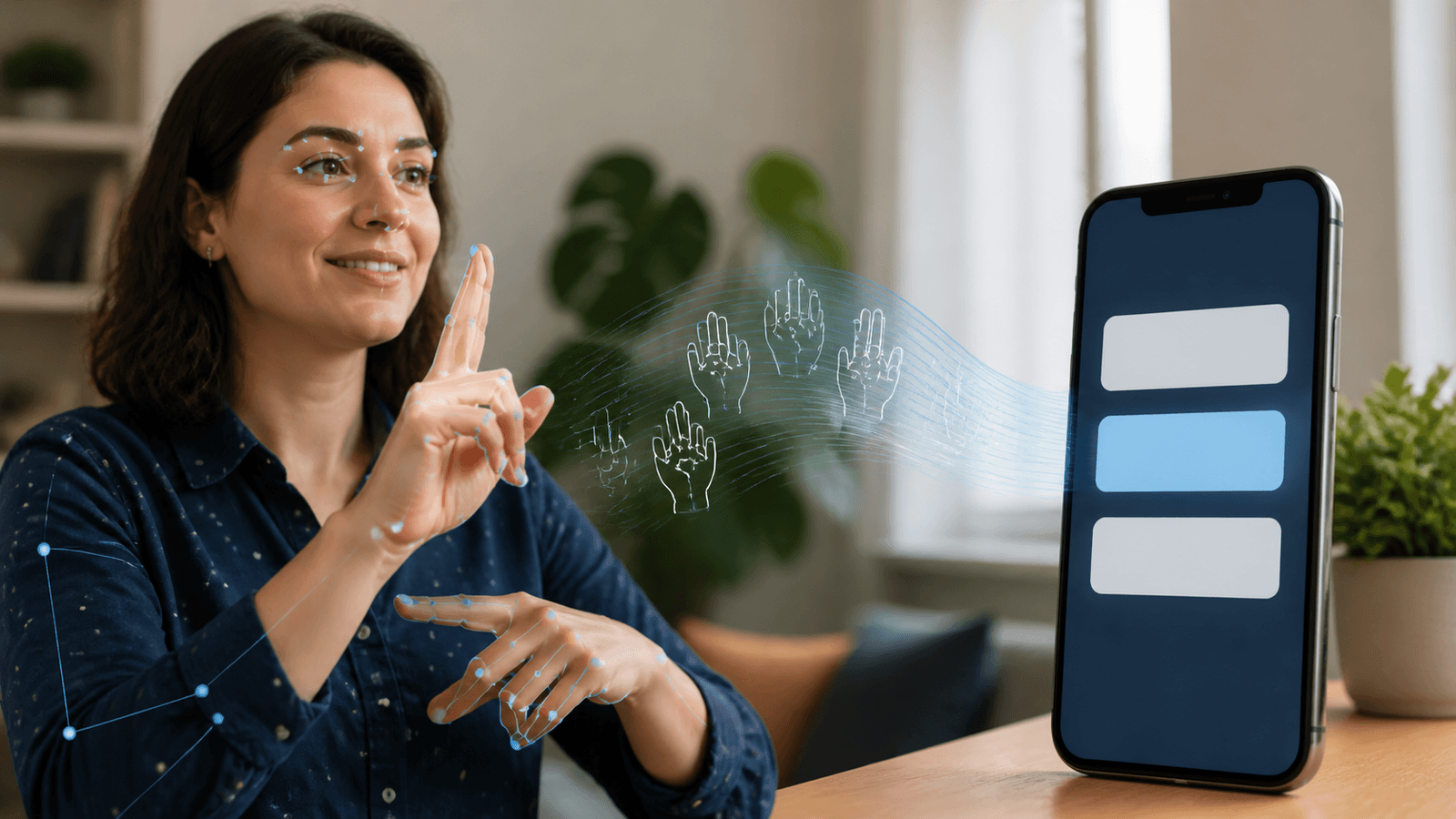
According to TradingView, Twin1 AI is headquartered in California and is building a platform for creating a “digital twin” or replica of an individual knowledge worker. The company is described as targeting certain industries, including banking, legal services and energy. The report frames the system as a way to automate routine workflows and coordinate work across organizations, rather than as a general-purpose humanoid robot or a physical replacement for employees.
TradingView says the platform is designed to capture, preserve and automate the judgment and communication style of individual staff through workplace tools such as email, Slack and Microsoft Teams. The reported uses include answering questions, drafting messages and coordinating workflows. Those descriptions indicate a system intended to work across existing organizational communications and processes, but the source does not explain the underlying models, integrations, permissions or review mechanisms.
The source is a short reported item carried by TradingView and does not include statements from Twin1 AI, Aramco Ventures, the other investors, customers or workers. No primary funding announcement, securities filing, product documentation, deployment case study or independent technical evaluation is provided in the supplied material. The funding and product description should therefore be treated as reported by TradingView rather than independently confirmed here.
Leia a fonte primária: tradingview.com ↗
Por que isso importa
The investment is a concrete signal that major industrial investors and venture firms are backing AI systems designed to reproduce parts of a worker’s routine judgment, communication and coordination. If the technology works as described, it could affect how organizations handle repetitive knowledge work, while raising questions about consent, accountability, privacy and the preservation of institutional expertise.
The round matters because it places institutional and venture capital behind a specific form of enterprise AI: systems intended to reproduce elements of a named worker’s accumulated knowledge and working style. That differs from using an AI assistant for a single isolated task. A digital replica connected to workplace communications could potentially answer recurring questions, draft routine correspondence and route work using knowledge associated with a particular employee.
For employers, the proposed model could make some internal expertise more accessible when staff are unavailable, when teams span multiple locations or when routine requests consume substantial time. In banking, legal services and energy, the ability to retrieve context and coordinate recurring processes may be useful. But the practical value depends on whether the system can distinguish reliable institutional knowledge from outdated instructions, confidential material or an individual’s informal preferences.
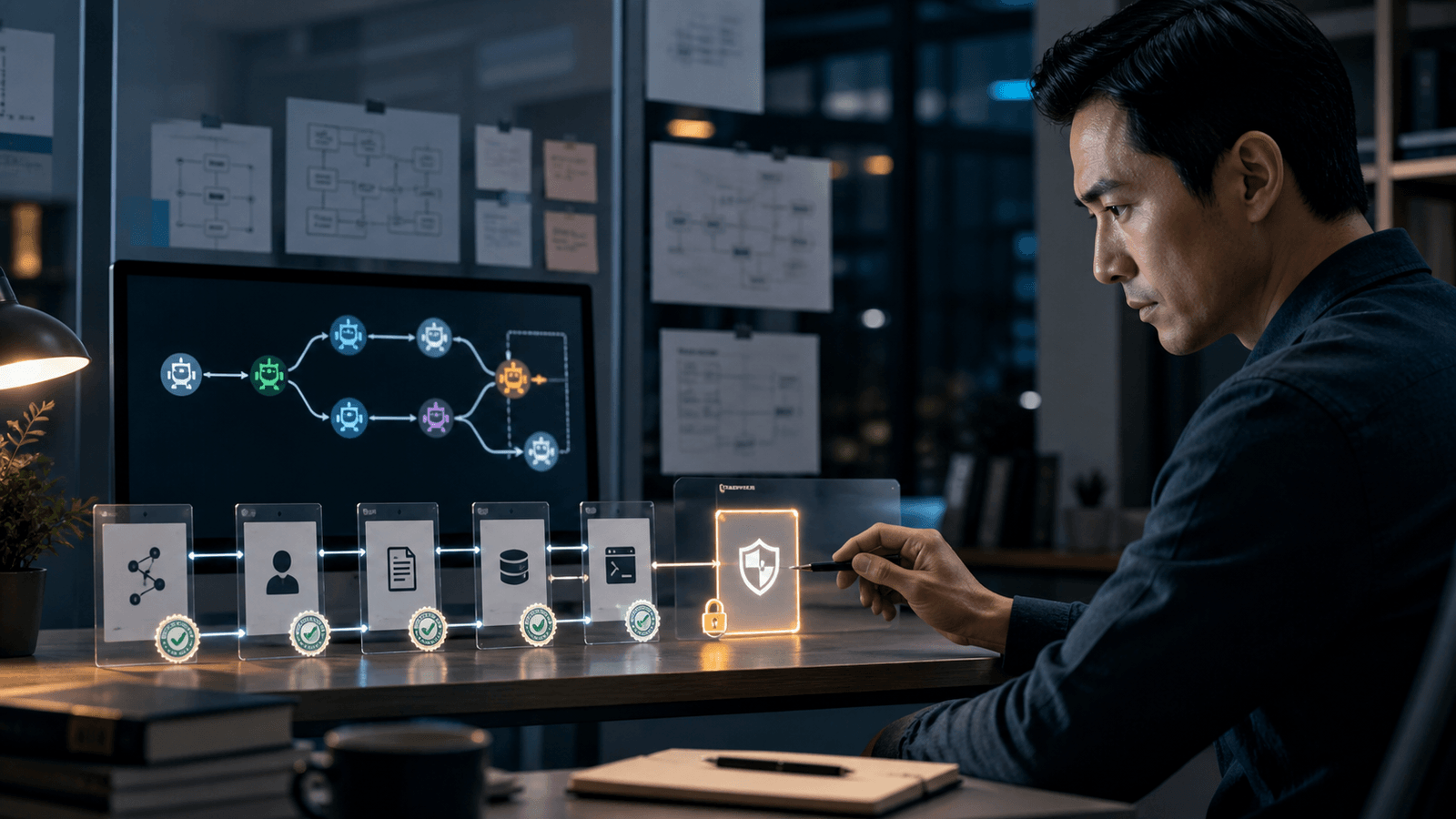
The concept also creates accountability questions. If a digital replica sends a message, recommends an action or coordinates a workflow, responsibility could be unclear unless the organization records who approved the action and what information the system used. The source does not say whether Twin1 AI’s systems can act autonomously, whether every output requires human approval, or how organizations would handle errors attributed to a worker’s replica.
Privacy and labor issues are equally significant. A system trained or configured from email, Slack and Microsoft Teams could involve sensitive business information and personal communications. Workers may need meaningful consent and control over how their style, knowledge and interactions are used, especially after they change roles or leave an organization. The report supplies no information about data retention, access controls, deletion rights, compensation, monitoring or worker participation.
The investment may also reflect a broader shift in enterprise AI toward persistent systems that retain organizational context and perform multi-step coordination. That could make AI more useful in daily operations, but it also raises the cost of mistakes and unauthorized access. The funding itself is evidence of investor interest, not evidence that the technology has achieved reliable performance or broad adoption.
O que assistir a seguir
The report does not independently establish Twin1 AI’s current product availability, customer base, technical performance or safeguards. Important next developments would include evidence from deployments, details about how worker data is collected and governed, the boundaries placed on automated decisions, and whether the company can preserve useful context without creating new privacy or labor risks.
The first priority is independent evidence about real-world use. Twin1 AI would need to show where its platform has been deployed, which tasks it performs, how often people review its outputs and what happens when the system encounters ambiguous or conflicting instructions. Claims about productivity should be assessed against concrete baselines, error rates and the time required for human oversight.
Data governance will be central. Future disclosures should clarify whether Twin1 AI receives complete workplace histories or selected data, how information from email and collaboration tools is isolated between users and organizations, how sensitive legal or energy-sector information is protected, and whether workers can inspect, correct or remove material used to build their replicas.
The division between assistance and delegated authority also deserves scrutiny. A system that drafts a message for approval presents different risks from one that sends messages, assigns work or makes decisions without review. Organizations adopting the technology should define which actions remain exclusively human, preserve audit trails and establish procedures for correcting or retracting outputs produced by a digital replica.
Worker and customer safeguards will determine whether the model is acceptable beyond its initial funding round. Relevant questions include whether employees are informed when a replica is active, whether recipients know they are interacting with an AI system, who owns the resulting knowledge representation, and how organizations prevent a replica from being treated as an employee’s complete substitute.
Finally, the financial and commercial details remain incomplete. TradingView reports the size and participants in the seed round, but not Twin1 AI’s valuation, revenue, customers, launch timing or funding runway. The next meaningful update would be a company or investor disclosure that confirms the transaction and provides verifiable information about product access, deployments, performance and safeguards.