O que aconteceu
The BBC reports that researchers from the University of Nottingham and Nottinghamshire Healthcare NHS Foundation Trust are working with AI company Blueskeye on a medical trial involving pregnant women and recent mothers. Participants complete tasks such as reading and journaling while software analyzes speech, facial expressions and automatic movements. The system flags participants who exceed a depression-score threshold so they can discuss possible mood changes with a clinician.
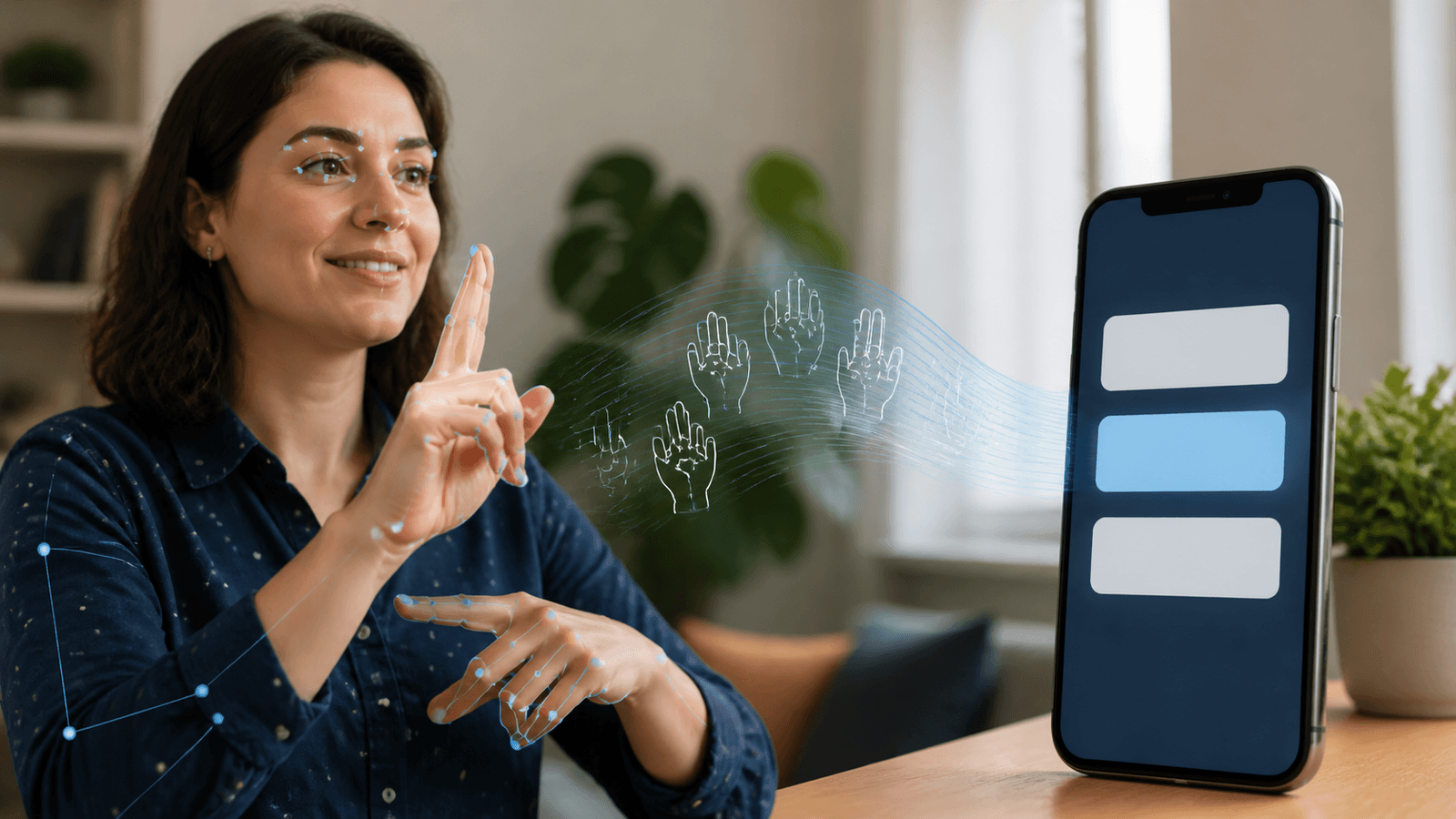
The BBC reports that the University of Nottingham, Nottinghamshire Healthcare NHS Foundation Trust and AI firm Blueskeye have developed an app for a medical study involving women who are pregnant or have recently given birth. The app asks participants to complete activities, including reading several paragraphs of a novel and journaling about their mood. While they perform those tasks, software analyzes facial expressions, speech and automatic movements. It then flags patients whose results are above a specified depression-score threshold. The reported purpose is to help women and clinicians notice possible mood changes earlier, rather than to provide an autonomous medical diagnosis.
According to the BBC, the study began in 2024 and is now in its final stages. Researchers are aiming to complete it in October. The report says that about one-third of women who have taken part so far have been flagged for depression by the software. That figure describes an alert from the trial system, not a confirmed diagnosis of depression, and the BBC does not provide the study's total enrollment, the threshold used, or the number of alerts confirmed by clinical assessment. The report also does not say whether the system has been tested outside the study environment or approved for routine healthcare use.
The BBC identifies Dr Neil Nixon as one of the project's leading researchers and reports that the technology is intended to support clinicians. It also quotes a participant who described the mental difficulty of the period after leaving hospital and a representative of the PANDAS charity, which supports people affected by perinatal mental illness. The charity representative welcomed the technology's potential to encourage conversations with doctors but stressed that women need support from human healthcare professionals. This account relies on the BBC's reporting; the underlying trial materials and results were not independently available in the source provided.
Leia a fonte primária: bbc.com ↗
Por que isso importa
Perinatal depression can be difficult to identify, particularly when changes in mood are dismissed as ordinary post-pregnancy difficulties. The BBC cites an Oxford report saying suicides accounted for 39% of maternal deaths in the UK between six weeks and one year after pregnancy. An AI screening aid could help clinicians identify people who may need further assessment, but it would also involve sensitive behavioral and health data and cannot replace human care.
The reported application addresses a significant clinical problem: depression during pregnancy or after birth can be overlooked while families and healthcare workers focus on the physical demands of childbirth and early childcare. The BBC cites a report by the University of Oxford that found suicides represented 39% of maternal deaths in the UK between six weeks and one year after pregnancy. That statistic is presented by the BBC and has not been independently verified for this assessment. It indicates why earlier recognition could matter, but it does not establish that this AI system reduces suicide risk or improves clinical outcomes.
An automated assessment could be useful if it helps a clinician decide when to ask additional questions or offer a fuller evaluation. Speech, facial expression and movement may provide signals that a patient does not recognize or does not mention during a short appointment. However, a signal is not the same as a diagnosis. A system may flag normal variation, cultural or linguistic differences, fatigue, pain, anxiety or temporary distress. It may also miss people whose symptoms are not expressed through the features it measures. The BBC reports the researchers' intended role for the software, but it does not report sensitivity, specificity, error rates, clinical outcomes or comparisons with established screening tools.
The setting also makes privacy and consent especially important. The app processes highly personal information about mood and behavior during pregnancy or early parenthood, a period involving medical care and, potentially, heightened vulnerability. The supplied BBC report does not explain how recordings or derived data are stored, who can access them, whether the data are retained for future model training, or how participants can withdraw. It also does not describe safeguards against inappropriate use by insurers, employers or other third parties. These unknowns do not invalidate the study, but they limit what can be concluded about its readiness for wider deployment.
O que assistir a seguir
The BBC says the study began in 2024 and is in its final stages, with researchers aiming to finish in October. The key questions are whether the system performs reliably across different patients and settings, how often it produces false positives or misses depression, and how clinicians use its alerts. The report does not independently confirm the trial's sample size, accuracy, demographic coverage, data-governance arrangements or eventual NHS deployment.
The immediate milestone is the study's planned completion in October, as reported by the BBC. A meaningful next step would be publication of the trial design and results in enough detail for independent experts to evaluate the population studied, the tasks used, the depression threshold, and the system's performance against clinician assessments. The public should distinguish between a feasibility study, a validated screening tool and a system authorized for clinical use. The current report does not establish that the app has reached any of those later stages.
Evaluation should also examine whether performance is consistent across age groups, ethnicities, accents, languages, disabilities and different stages of pregnancy or postpartum recovery. Factors such as sleep deprivation, medication, physical illness and the presence of a newborn could affect speech, facial expression and movement without indicating depression. Conversely, some people may deliberately mask distress during a recorded task. The BBC report supplies no subgroup analysis, so it is not possible to know whether the reported alerts generalize beyond the participants studied.
Finally, implementation should preserve a clear human pathway after an alert. The BBC reports that the system is not intended to diagnose conditions and that the charity PANDAS emphasized human-to-human support. That principle should shape any future use: an alert would need timely clinical review, an explanation that it is only a screening signal, and accessible support for patients who are concerned. It is not yet known whether the trial will lead to NHS adoption, whether clinicians find the alerts useful, or whether patients view the monitoring as supportive or intrusive. This assessment is based solely on the BBC report and does not independently confirm the trial's claims.