O que aconteceu
ChosunBiz reports that Skild AI cofounder Abhinav Gupta unveiled S1 at a technology conference in Seoul and said the model enables robots to learn new tasks from one video without task-specific training. The report also describes company claims about industrial deployments and a broader robot foundation model designed to operate across different robot bodies.
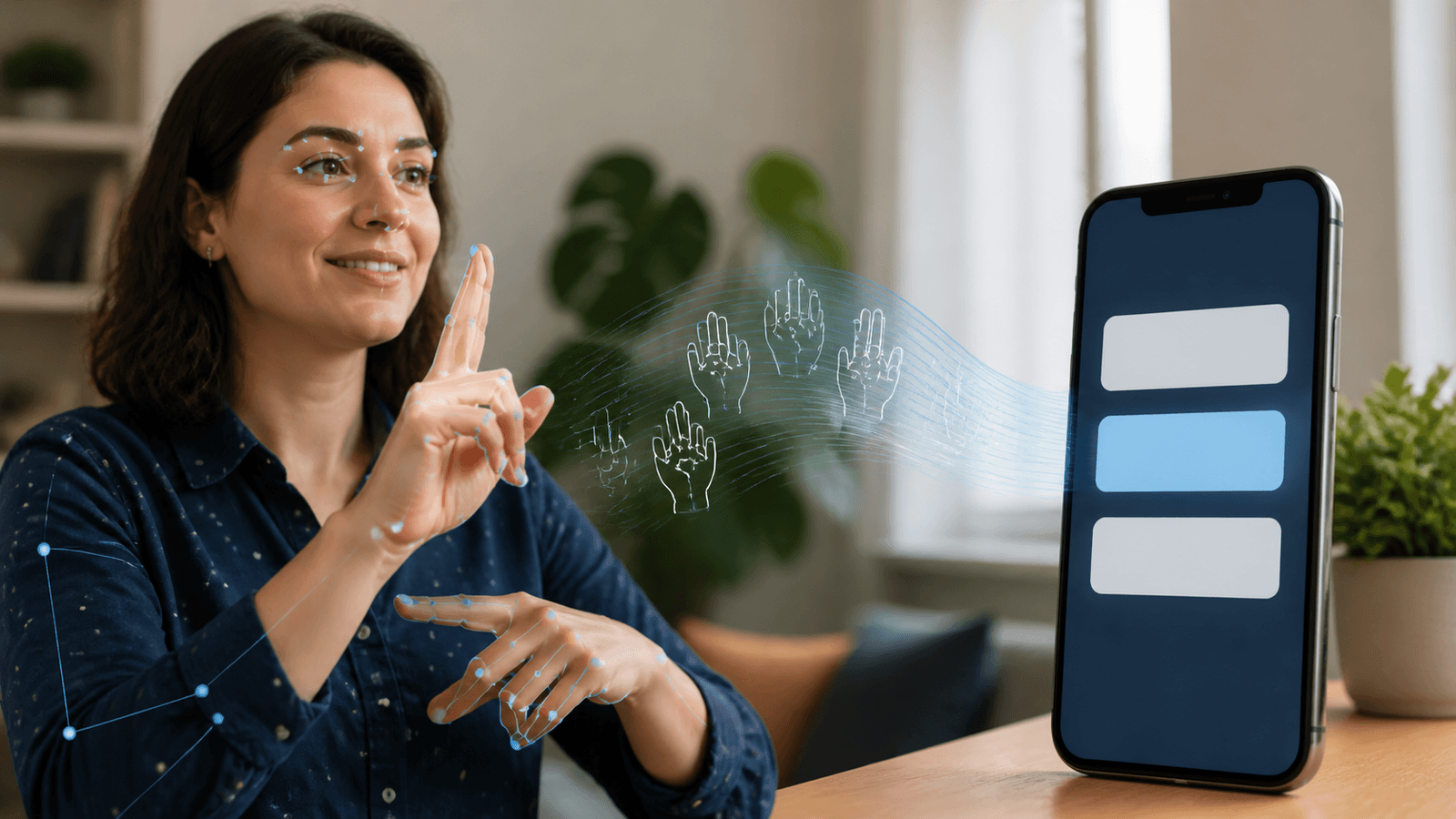
ChosunBiz reports that Abhinav Gupta, a Skild AI cofounder and Carnegie Mellon University computer-science professor, presented S1 at SMARTCLOUD SHOW 2026 in Seoul on Aug. 26. According to the report, Gupta said S1 can learn and execute a previously unseen task after watching a single video, without being trained specifically on that task. He compared the capability to a person observing another person’s actions, and used the example of a robot being shown how to make pancakes. The article says Skild AI unveiled S1 as a general-purpose model built for immediate task learning. These statements are attributed to Gupta and are not independently confirmed in the supplied source.
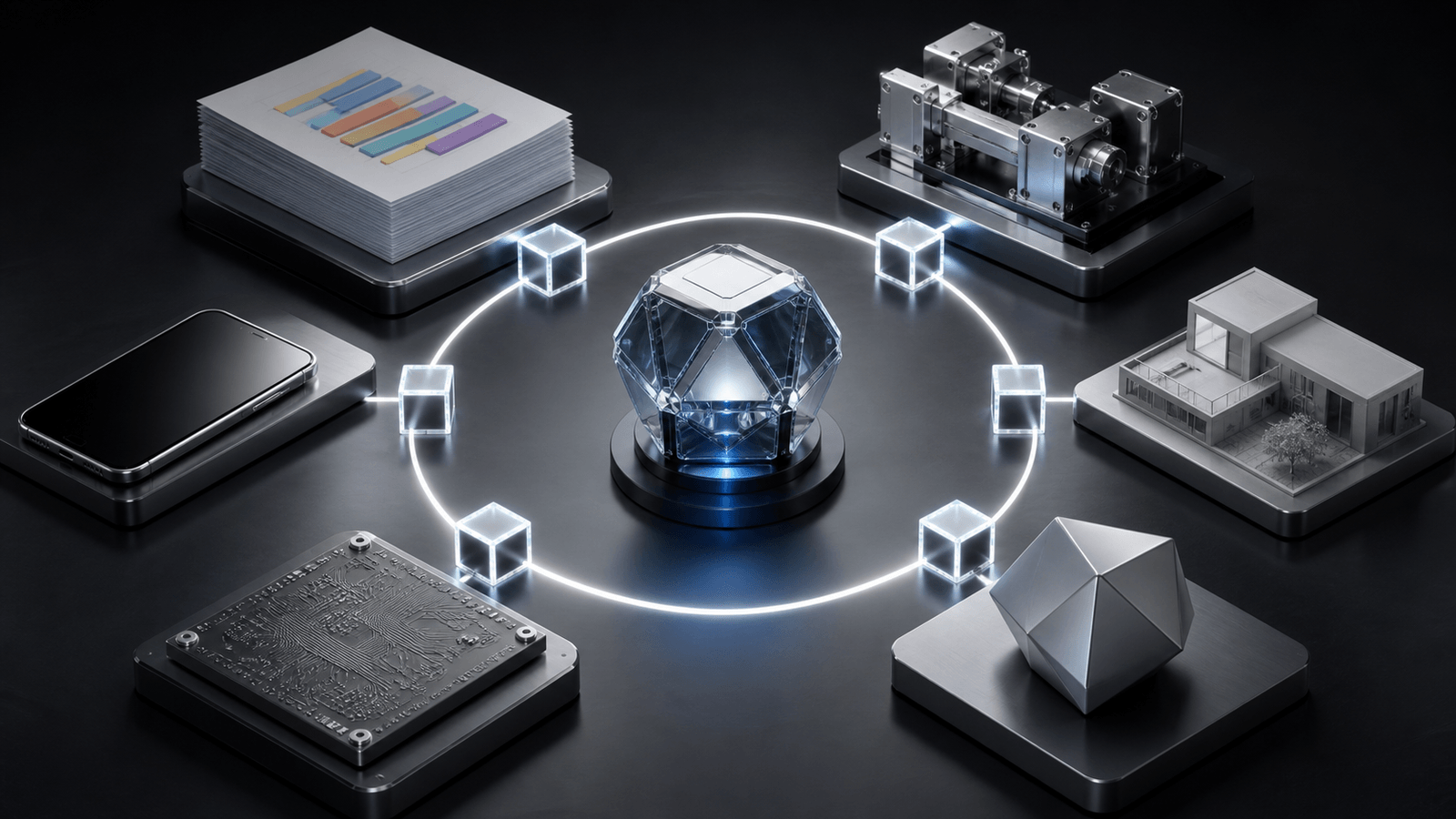
The report places S1 within Skild AI’s larger robot foundation model effort. ChosunBiz says the company’s system is pretrained with video and synthetic data from virtual simulations, then further trained and fine-tuned through teleoperation and learning on physical robots. Gupta reportedly described data as the central bottleneck in robotics and claimed that Skild AI has secured 100 to 1,000 times more data than competitors. ChosunBiz also reports that the company aims to build an “omni-bodied” robot brain that can work across bipedal, quadrupedal, and wheeled machines and in settings including factories, outdoor locations, and data centers. The source does not provide the underlying data counts, comparative methodology, model size, or evaluation protocol.
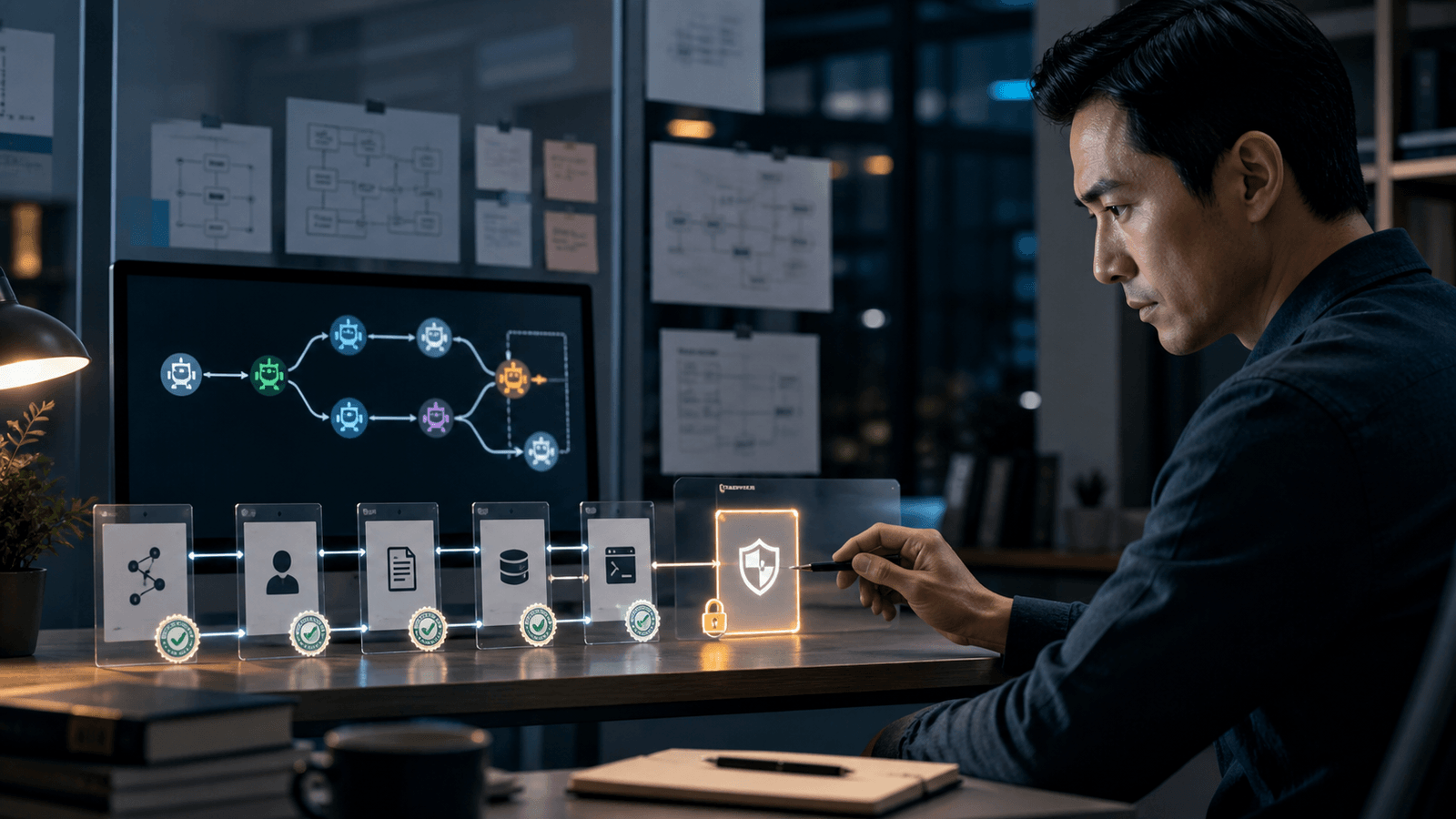
ChosunBiz further reports that robots using Skild AI’s system have been deployed at industrial sites. Gupta said, according to the article, that robots at an Nvidia plant in Houston perform precision work such as tightening GPU screws, while robots at a Foxconn plant assembled more than 16,000 GPUs in one month. The report does not independently verify those deployments or explain how much of the work was autonomous, how many robots were involved, what human supervision was required, or how performance compared with existing automation. It also does not identify the specific S1 configuration used in those facilities. The article says Skild AI is backed by Nvidia, SoftBank, Amazon, LG, and Salesforce Ventures and has an estimated valuation of about $14 billion, but those financing and valuation details are background rather than independent evidence of S1’s capabilities.
Leia a fonte primária: biz.chosun.com ↗
Por que isso importa
If independently validated, single-video task learning could reduce the data, programming, and task-specific training required to deploy robots. The report’s claims remain unconfirmed outside ChosunBiz and Skild AI, and it provides no independent test results, technical paper, or detailed information about S1’s availability.
The practical significance of the announcement is the proposed shift from programming or training robots for each new task toward giving them a visual example. If the capability works reliably, operators could spend less time collecting task-specific demonstrations and rebuilding models whenever a robot encounters a new object or workflow. That could make automation more adaptable in factories and other structured environments. However, the supplied report does not establish that S1 achieves this at production-grade reliability, and a one-video demonstration may not represent the full range of conditions encountered in real workplaces.
Skild AI’s claimed cross-body design also addresses a major deployment constraint: industrial and service robots use different sensors, mechanics, control systems, and physical capabilities. A model that transfers knowledge between robot types could reduce the need to create a separate control stack for every machine. ChosunBiz reports that Gupta said Skild AI’s robots can detect hardware changes and continue working, but the article gives no examples, test results, failure rates, or explanation of how the model handles differences in reach, balance, force, or safety limits. The breadth of the claim therefore remains a central question rather than an established result.
The “ChatGPT moment” comparison is Gupta’s description of the potential impact, not a measured industry milestone. ChatGPT’s significance came from broad public access and an immediately observable user experience; the report does not say that S1 is publicly available, offered as an API, released with weights, or accessible to researchers and customers. The source is a secondary report centered on statements from a company cofounder, and its text notes that the article was translated by AI. No independent laboratory evaluation, customer testimony, public benchmark, or primary technical documentation is included. Those limitations matter when assessing whether the announcement represents a demonstrated advance or an early company claim.
O que assistir a seguir
The key next evidence is whether Skild AI publishes reproducible evaluations showing how S1 performs across robot types, environments, objects, and failure conditions. Readers should also watch for independent confirmation of the reported factory deployments, the meaning of the claimed production figures, and details about safety controls, access, and commercial availability.
The most useful follow-up would be a technical description of S1 and a public evaluation suite. That evidence should specify the number and length of videos required, the kinds of tasks used, whether the robot receives additional prompts or human intervention, and how performance changes when objects, lighting, workspace layouts, or robot hardware differ from the demonstration. Reported success rates should be accompanied by failure cases and comparisons with existing robot-learning systems. Without those details, “one video” describes the input claim but not the reliability or cost of the resulting behavior.
Independent verification of the industrial claims will also be important. ChosunBiz attributes the Houston and Foxconn figures to Gupta, but the source includes no statements from those companies, operational records, or independent observers. Follow-up reporting should establish whether the robots were using S1 specifically, whether the 16,000 GPUs figure refers to complete assemblies or a component of the process, and what level of human oversight was present. It should also clarify whether the reported deployments are continuing production systems, limited pilots, or demonstrations of selected tasks.
Finally, watch for information about access, safeguards, and responsibility. The report does not state when S1 will be commercially available, which robot platforms it supports, how customers pay for it, or what controls prevent unsafe actions around people and equipment. A system that learns from a short video may misinterpret ambiguous instructions, overlook force limits, or generalize incorrectly to unfamiliar objects. Evidence about emergency stops, human approval, monitoring, recovery from errors, and accountability for workplace decisions will be necessary before the model’s practical impact can be assessed.